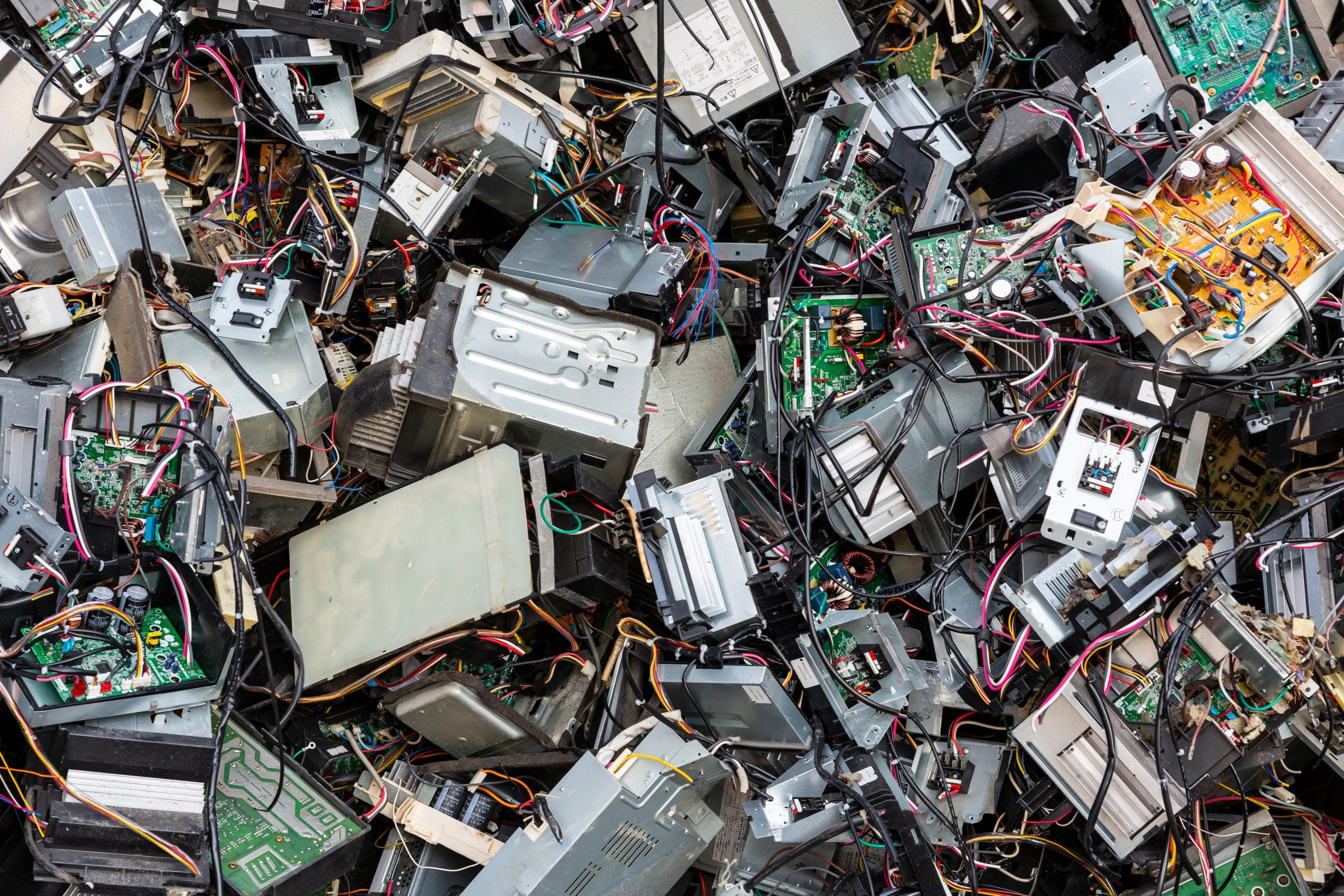
I walk into a room, and things start working. It happens often enough that my clients have started joking about it, like I’m carrying some kind of charm. I don’t think that’s what’s actually going on. More likely, the equipment was already failing quietly, and I’m just the one who finally noticed.
This came up in a conversation with a colleague around my age, who told me he missed the days when Outlook just worked properly. I asked him to actually think back and tell me what year that was. He got quiet for a second, then admitted it was around 2006. Twenty years felt like yesterday to both of us, which tells you something about how we experience time, but it also missed a bigger point. Outlook has real problems today. The difference is that almost everything else does too, and that isn’t in our heads.
Why Reliability Declined
For a stretch of time around the pandemic, the semiconductor industry took a series of direct hits. In February 2021, a severe winter storm cut power across Texas and forced major chip plants, including facilities run by Samsung and NXP, to shut down for weeks. Forbes covered the disruption in detail as it was unfolding, and the effects rippled outward for years afterward, showing up in everything from laptops to cars.
Manufacturers never fully rebuilt that lost capacity before demand for computers and phones spiked further. On top of that, plenty of companies responded to rising costs by trimming quality wherever customers were least likely to notice right away. A laptop that used to last five years might now last three. A router that once ran quietly in a closet for a decade now needs replacing much sooner. None of this is a conspiracy. It’s a straightforward response to real supply problems, and it happened right as more of our lives moved onto these devices than ever before.
What This Means for You
If your equipment is failing more often than it used to, it probably isn’t because someone in your office is doing something wrong. The hardware itself likely isn’t built to the standard you remember, and that standard isn’t coming back on its own.
The response to that isn’t nostalgia. It’s planning around it. Replace hardware on a schedule instead of waiting for it to die, and treat backups as a routine part of doing business rather than something you scramble for after a crisis. A three- to four-year replacement cycle for laptops and a firm habit of testing your backups, not just running them, will save you more grief than any amount of wishing your equipment behaved the way it did a decade ago. A firm that expects a piece of equipment to eventually fail, and plans for it, loses an afternoon. A firm that assumes everything will keep running the way it did in 2015 loses a great deal more than that.
I still get called in, and things start working again, and I still let the joke about being some kind of charm ride, because it’s funnier than the real explanation. The real explanation is aging equipment paired with a supply chain that still hasn’t fully recovered from a rough couple of years. None of that is mysterious, and none of it is going away on its own, so the businesses doing best right now are the ones planning around it instead of being surprised by it every time.
If your team hasn’t looked at when your hardware was actually purchased, not when it feels like you bought it, that’s a good place to start before your next refresh.
_0-370x240_c.png "Google_Chrome_icon_(2011).png")