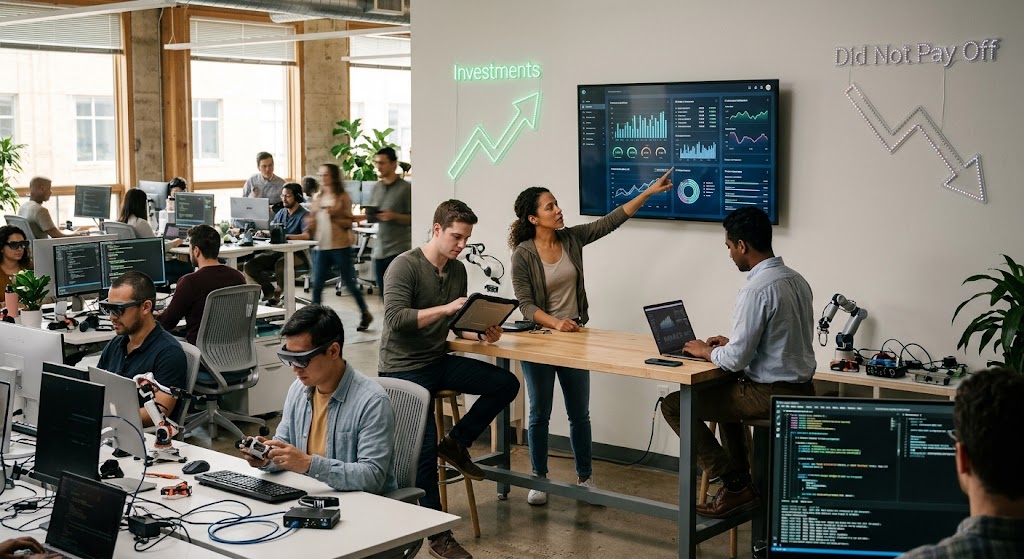
Every December, I do the same exercise for my own firm and for the clients who will sit still for it. I look back at what we spent money on during the year and sort it into two piles. What earned its keep, and what we talked ourselves into. After more than 35 years of doing technology consulting for professional services firms, I can tell you the pattern barely changes. The boring investments pay off, and the exciting ones mostly do not.
This is my honest 2026 scorecard, from the trenches of accounting practices, law offices, and property management companies across Southern California.
What Paid Off: The Unglamorous Stuff
Tested backups and multi-factor authentication
Nobody has ever called me excited about multi-factor authentication. It is mildly annoying every single day, and then exactly once it quietly saves the entire firm, and that one morning pays for itself a thousand times over. The same goes for backups that somebody tested. The firms that spent a little on these in 2026 are not the ones who called me in a panic this year. We made the full case for both in our post on the security measure your team will hate.
The data keeps agreeing with the boring advice. Verizon’s 2025 Data Breach Investigations Report found the human element involved in roughly 60 percent of breaches. Almost everything on my “paid off” list exists to protect the firm from a rushed human on a bad day, which is where the real risk has always lived.
Planned hardware refreshes
The firms that replaced aging laptops on a schedule in 2026 spent a known, boring number. The firms that waited until machines died paid the rush tax instead, usually at the worst possible moment and at full retail. Replacing hardware before it fails was unglamorous, and it worked every time. We broke down that math in our guide on the $300 laptop versus the $1,300 laptop.
### Paying for a provider who plans, not just reacts
The clients who got the most value in 2026 were the ones paying for advice, not only repairs. Preventing a bad afternoon never shows up as a dramatic win, which is exactly why reactive firms undervalue it. The quiet year is the product, and it is the whole reason we are so public about how we price, which we explained in our post on why we don’t hide our markups.
What Didn’t Pay Off: The Shiny Stuff
Most rushed AI projects
I will say this carefully, because I use AI and I think it has real value. The firms that wasted money in 2026 bought it on a hunch instead of to solve a problem they could name.
The results are now measurable. An MIT study of enterprise AI in 2025 found that about 95% of generative AI pilots delivered no measurable return on the bottom line. The small share that worked had something in common. They solved a specific, named problem in the workflow, usually in the back office, rather than chasing a vague fear of falling behind. The money that paid off went toward a real problem. The money that evaporated went toward a feeling. Meanwhile, the quiet risk, like your employees using AI with client data, kept growing.
Overbought security hardware
A handful of firms spent 2026 buying security appliances loaded with features they will never turn on, sold by vendors who are very good at describing threats. Expensive gear that nobody ever configures protects no one. It is decoration with a warranty. The firms that spent less and configured what they had slept better.
The cheapest possible everything
On the other end, the firms that chased the lowest price on hardware and support paid for it in downtime. Independent research from Information Technology Intelligence Consulting has repeatedly found that a single hour of unplanned downtime costs many small and mid-sized firms tens of thousands of dollars. Measured against that, the sixty-dollars-a-month “savings” on a cheaper provider is one of the most expensive decisions a firm can make.
What This Means for Your 2027 Plan
The lesson of 2026 is the one I have been repeating for decades, and the market keeps proving it. Spend on the boring things that prevent bad days, and stay very skeptical of anything sold to you with urgency and excitement. When a vendor’s pitch leans harder on fear or hype than on a problem you already have, keep your hand on your wallet. Good IT roadmap development is mostly the discipline to fund the unexciting work before the shiny distraction.
If you want help sorting your own 2026 spending into those two piles before you build next year’s budget, that is exactly the kind of review we do with clients heading into technology planning for business growth.
What does this mean for you? Look at your biggest technology purchase this year and ask one honest question. Did it solve a problem you could name before you bought it, or did it solve a feeling?
Frequently Asked Questions
Which technology investments give professional services firms the best return?
The unglamorous ones. Tested backups, multi-factor authentication, hardware replaced on a schedule, and a provider who prevents problems instead of only fixing them consistently earn their keep. None of them are exciting, which is exactly why they work. They protect the firm from the rushed human on a bad day, which is where most real cost comes from.
Did AI pay off for small professional services firms in 2026?
Mostly only where it solved a specific, named problem. An MIT study of enterprise AI in 2025 found roughly 95 percent of generative AI pilots delivered no measurable return. The firms that saw value started with a real workflow problem, usually in the back office, rather than buying a tool because they felt behind.
Is the cheapest IT provider worth it?
Rarely. The savings on a cheaper provider tend to disappear the first time the office loses a morning to downtime, which independent research pegs at tens of thousands of dollars per hour for many small and mid-sized firms. Paying a little more for a provider who prevents those hours is usually the cheaper decision over a full year.
Quick and Easy: In 2026, the boring technology investments paid off and the exciting ones mostly did not. Tested backups, multi-factor authentication, planned hardware refreshes, and a provider who prevents problems all earned their keep, while rushed AI projects and overbought security hardware mostly did not. Heading into 2027, fund the unglamorous work first and stay skeptical of anything sold with urgency.