


T-Mobile is set to announce a new device that will purportedly offer “full-bar” coverage for your home, even in areas that offer little or no tower-based cellular signal. The “4G LTE Cellspot” plugs into your home’s router and uses your internet connection to provide the cellular connection you may be lacking. To make this even more enticing, T-Mobile is offering this device free of charge ($25 deposit required) for all post-paid (as opposed to pre-paid) customers. Suspicious yet of this gift-horse? Good for you if you spotted the hitch.
Here comes the sucker punch:
The self-proclaimed “un-carrier” isn’t the first to offer this sort of device: ATT, Verizon and Sprint all have similar devices, with one glaring exception: you can’t limit who has access to the T-Mobile device plugged into your router and using your bandwidth. This might not be a problem for those blessed with larger homes or big yards, but the Cellspot is designed to boost signal for any T-Mobile device within 3000 square feet. The device works by routing cellular calls (and data) via your internet bandwidth, which may or may not be capped, depending on your provider. Translation: any T-Mobile device, yours or a complete stranger’s, will consume bandwidth on your dime. On top of this, any data bandwidth transmitted via this device still counts towards your bandwidth limit (if you have one), even though you aren’t technically using T-Mobile’s infrastructure to transmit that data. All of sudden, that device ain’t looking so “free” anymore, eh? All said, if you are among the unfortunate who suffer from poor cellular coverage in your home or office and rely heavily on your T-Mobile cellphone, and you have the fortune of having plentiful broadband coverage (with no bandwidth caps) this device might be the ticket to glorious full-bar coverage. Caveat emptor, and always beware carriers bearing “gifts”.
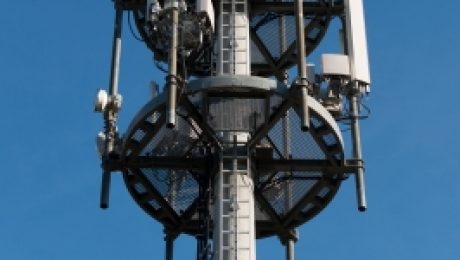
If telecommunications startup Artemis has anything to say about it, bulky and costly cell towers like the one pictured here will be a thing of the past. Instead, they are hoping the nation’s cellular providers will buy into their new technology platform, dubbed “pCell” that they believe will revolutionize both network coverage and data speeds. Artemis engineers have designed a small (about the size of a home office router) device that they believe can be cheaply and easily deployed throughout any geography to provide a much more thorough coverage area and up to 1000 times the speed of 4G networks, a technology that carriers are still struggling to deliver to most parts of the country.
What this means for you:
The cell towers in use by cell carriers today are designed to provide large “cells” of service that are shared by all mobile users within the umbrella of coverage provided by the tower. The vagaries and frustrations known to all cell phone users are physically caused by our movement in, out and away from those cells, and how heavily each cell is being used at the time. Conversely, pCells are designed to provide coverage in a form of mesh network, and can use overlapping signals from nearby pCells to amplify the service delivered to each cell phone. On top of this mesh approach is an underlying shift in the network technology: with this new platform, each cell phone is granted its own “cell” of data services rather than having to share one large cell provided by a central tower. According to Artemis, this will result in much greater efficiencies in data transmissions, improving voice and video quality and speeding up our uploads and downloads.
Artemis is preparing to launch the technology in the fourth quarter of this year. If the technology lives up to the hype, it could finally help deliver on the promise that smartphones first offered to us years ago, but stumbled on delivering mainly because of slow network speeds and spotty mobile network coverage. We can only hope that the carriers see that by providing faster speeds and better coverage they are investing wisely in their own sustainability, and we can move one step closer to a ubiquitous and instantaneous data network literally at our fingertips.
Image courtesy of franky242 / FreeDigitalPhotos.net