


Kaspersky Labs just released their quarterly threat report for Q3 2012, and it’s dry reading for most folks not fascinated by IT security as I am. There are some notable trends that their research has surfaced, and I thought you might find some of these data points interesting:
- You are least likely to be infected by a fellow countryman in the nation of Denmark. (The US is in the lower first quartile, in case you were wondering.)
- Russia has overtaken the US as having the most websites hosting malware software.
- The most commonly found smartphone virus is designed to steal money from you by texting premium-rate numbers without you noticing.
- The most common way to get a virus infection is via drive-by infections, ie. visiting a dodgy website and getting infected when your browser loads pages that have embedded viruses.
- Of the top 10 most commonly found software vulnerabilities, 2 are found in Oracle software (Java), 5 from Adobe (Flash, Shockwave & Acrobat), 2 from Apple (Quicktime and iTunes), and 1 from Winamp.
- Over half of the detected malware infections came from Java vulnerabilities.
- For the first time in many years, Microsoft did not make the Top 10 list of vulnerabilities!
What this means for you:
Keep your software up to date. The java vulnerabilities have been patched, but many people ignore (or aren’t even aware) that Java needs to be kept up to date just like any other software installed on their machine. Keep your browser up to date, and if you have the choice, use the latest version of IE, or even better, Google’s Chrome browser. However, nothing will keep you safe if you don’t have proper malware protection installed, updated and ACTIVE. If you use an Android phone, see my previous article on the dangers of side-loading questionable apps. As of the moment, buying smartphone anti-virus software isn’t at the same state of “must-have” as computers, but we may be fast approaching that point. If you are careful about the apps you install on your phone, you don’t need it…yet.
According to analyst IDC, Android-based smartphones account for three out of every 4 phones sold worldwide in Q3 2012. As anticipated, this expansion of the market has also prompted a surge in fraudulent apps being developed and installed on phones. Security firm F-Secure reports a 10X increase in the number of distinct malware apps detected in the marketplace, finding over 50k apps this quarter alone. Most of these apps appear to be making their debut on 3rd party apps stores outside of the US looser security standards allow the malware to slip into the marketplace undetected.
What this means for you:
Earlier this year, Google implemented a security review process on its official “Play” store, reducing the number of fraudulent apps significantly. However, unlike the iPhone ecosystem, which locks users into only getting apps through its tightly controlled and reviewed iTunes appstore, Androids can bypass the Google’s official appstore to “sideload” apps on their smartphones via a single checkbox setting that is available in the operating system. Just because you can do something doesn’t mean you should. With the possible exception of Amazon’s App Store, I would not recommend installing apps from any 3rd party app store. Amazon.com led the way in sideloading by announcing their own appstore in early 2011, primarily as a means to avoid paying distribution fees to Google to service their own Android-based Kindle devices. Given that keeping their user base safe is probably of utmost concern, it’s likely that Amazon will be carefully reviewing apps distributed through their ecosystem.
If you insist on sideloading apps from a 3rd party app store, make sure you know what you are doing, review the apps carefully, and when in doubt, do your research before installing that magical app that will do it all, and is also free. It may not cost you any money up front, but the longterm damage to your security and identity may be a cost you can’t afford.

Just a week after the debut of Windows 8, Microsoft held a press event in San Francisco, CA to announce the arrival of the latest version of its smartphone platform, dubbed Windows Phone 8. Timed to coincide with (and possibly to even eclipse) Google’s canceled East-coast press event, Microsoft instead had to fight for media attention with Hurricane Sandy. As a distant fourth place competitor, Microsoft has struggled to gain a toe hold in the smartphone race, facing daunting leads from Apple and Google, and even trailing the flagging RIM Blackberry platform.
What this means for you:
Unless you are a true-blue Microsoft fanatic, you more than likely already own a smartphone that gets the job done. There is a distinct possibility for Microsoft to overtake RIM’s Blackberry platform as the corporate phone of choice, but many enterprises have already opened their iron curtains for iPhones and Android devices. Gaining RIM’s share of the pie will only put them in 3rd place, and as such, integration into corporate environments will still take a backseat to solidifying usage of the dominant platforms. Most adopters of this platform will either be disatisfied technophiles looking for something fresh and different from iOS and Android, or corporate technologists investigating the platforms ability to integrate with existing Microsoft infrastructure. Microsoft’s primary hurdle in getting people to buy Windows phone remains in the lackluster app development landscape, which continues to be dominated by iPhone. Many of the most popular apps aren’t available yet for Windows Phone 8, and their arrival (if they come at all) will likely lag iOS and Android versions by months. If your primary smartphone usage is focused on making calls, checking email, and sharing pictures with your phone, Windows Phone 8 will get the job done, but if you like apps and don’t consider yourself an “early adopter”, give the platform at least another 6 months before weighing a change in platforms.

Numerous leaks on the internet have all but confirmed the imminent arrival of a 7-inch version of Apple’s wildly popular iPad. Expected to be announced on October 23, 2012, sightings around the internet put the new tablet starting at anywhere from $250 to $320 for a wifi-only version. Substantial rumors also point to a 3G/4G version as well, putting it an advantage over wifi-only, 7-inch Android-based tablets like Google’s Nexus 7 and Amazon’s Kindle Fire.
What this means for you:
If you are one of the few people on the planet that doesn’t already own an iPad, and don’t because of the size/weight of the current 10-inch tablet, the “iPad Mini” may be worth a look. However, 7-inch screens have many limitations when it comes to browsing the web and working in business applications – your screen real estate is literally half of what you can normally see on even the first generation iPad. Seven-inch tablets have found a very comfortable niche as e-readers, casual gaming devices, and fit remarkably well into over-stuffed carryons for frequent travelers. Expect some transition troubles for your popular iPad apps as they resize the display resolution for the 7-inch screen, and the possibility of paying for a new, “mini”-version of the same app you probably already own.
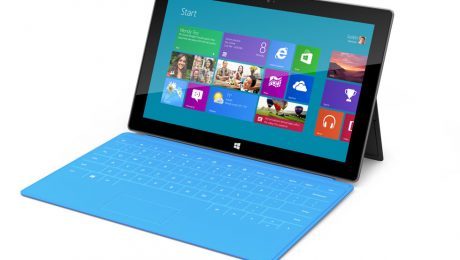
Microsoft has confirmed the arrival of its new tablet, dubbed “Surface” via press-only invitations to a launch event happening on October 25. Following the conclusion of the event, the tablets will actually be available for sale at Midnight PST via Microsoft’s website as well as the actual brick and mortar retail stores – 27 locations in the US as of this writing. The new tablet will be running Microsoft’s new operating system, Windows 8, and will come with a keyboard integrated into the built-in cover. Pricing is still not definite, but most analysts think the tablets will range in price from $500-800, making them slightly pricier than the current tablet champ, the Apple iPad.
What this means for you:
If you’ve been waiting for a “Windows” tablet with bated breath because your business is firmly entrenched in the Microsoft camp, or your IT department is slow to incorporate the beloved iPad into their technology implementations, I wouldn’t hold your breath that the arrival of Surface will change that timetable in the immediate future. Windows 8 is still very much untested in the corporate IT space, and the business world at large will be predictably slow in adopting it, as most businesses are only just starting to adopt Windows 7. Tablets, like laptops before them, represent a difficult challenge to most IT departments in terms of managing both the hardware as well as the data on them because of their highly mobile form-factor.
The arrival of a “Windows” tablet may allow for a more corporate style of tablet usage, with the underlying expectation that because the tablet is based around Microsoft technology, that it will be easier to manage from a corporate perspective and able to leverage existing investments in MS platforms. If you are the adventurous type and don’t already own an iPad or Android-based tablet, the Surface may be worth investigating, but don’t expect a robust app choice until (and if) the device can carve a niche into the existing tablet marketplace.

Once the darling of the business world, RIM’s BlackBerry phone platform has seen a continous erosion of its dominance in the corporate world since Apple’s iPhone first arrived on the scene in 2007. Two recent articles in PC World and CNET underline RIM’s continuing struggle to remain relevant in an iPhone/Android world.
According to those that have seen it, RIM’s impending release of version 10 of the BlackBerry OS will put the company’s phones on par with its competition, but at the cost of incompatibility with the existing Blackberry Enterprise Server (BES) infrastructure installed in just about every business that supports them.
On top of this huge stumbling block, retailers are pulling back their commitments to BlackBerries, according to one analyst, signaling a general lack of confidence in the strength of the platform and brand.
What this means for you:
If your company has standardized on BlackBerries for its employees and you have a decent investment in technology and resources to support it, you should have nothing to worry about in the short term, but should closely evaluate future spending to support this platform. Your 2-5 year plan should look into expanding your communication network to include the other smartphone platforms, if they aren’t already in use in your enterprise. The BlackBerry platform still has numerous strengths, mostly in the area of asset managment, security and reliability, but the older devices lack modern appeal and versatility. Today’s modern employee, especially the younger generations, view their phones as an extension of both their professional and personal lives, and the continued lack of innovation on the platform has eroded their credibility, utility and appeal across the board.
While it’s possible that RIM may work a miracle and come back from the brink of extinction, I rate their chances as highly unlikely.